Table Of Content
Some ICC systems can even detect and respond to pedestrians and other obstacles, providing an added layer of safety. Speed control existed in early automobiles such as the Wilson-Pilcher in the early 1900s. Weather conditions such as snow, rain or fog could confuse the sensors and affect the adaptive cruise control system. While driving through the city, you’ll face a number of stop lights and stop signs that will require manual braking. When engaging cruise control on the highway, ensure your lane is clear and there are no vehicles stopping ahead.
Adaptive cruise control
Additionally, drivers should not use speed control in certain situations, such as in heavy traffic, on wet or slippery roads, or when driving in mountainous terrain. Overall, it can be a helpful tool for long-distance driving on open roads, but drivers should always use it with caution and be aware of its limitations. While it can help reduce driver fatigue and improve fuel economy on long drives, it requires the driver to remain attentive and adjust the speed manually if necessary.
Different Types of Cruise Control
Cruise control systems frequently include a memory feature to resume the set speed after braking and a coast feature to reduce the set speed without braking. When the cruise control is engaged, the throttle can still accelerate the car, but once the pedal is released, it will slow down the vehicle until it reaches the previously set speed. A speed limiter is a type of speed control system that is designed to limit the maximum speed of a vehicle. Unlike other types of cruise control systems, which maintain a set speed, a speed limiter prevents a vehicle from exceeding a certain speed limit. Intelligent Cruise Control (ICC), also known as Active Cruise Control (ACC), is an advanced form of cruise controle that uses sensors and cameras to detect the distance and speed of the vehicles ahead.
Heavy Traffic
Its surge in popularity led the brand to install a ‘Speedostat’ it in all its vehicles. It was officially christened ‘cruise control’ by General Motors when it began using it in its Cadillac vehicles. In a proportional control system, the cruise control adjusts the throttle proportional to the error, the error being the difference between the desired speed and the actual speed. So, if the cruise control is set at 60 mph and the car is going 50 mph, the throttle position will be open quite far.
Cruise control is a popular feature in modern vehicles that can make driving more comfortable and less stressful. There are several types of cruise control systems that drivers can choose from, depending on their driving conditions and preferences. Standard cruise control is the most basic system, which allows the driver to set a constant speed that the vehicle will maintain.
Word Length
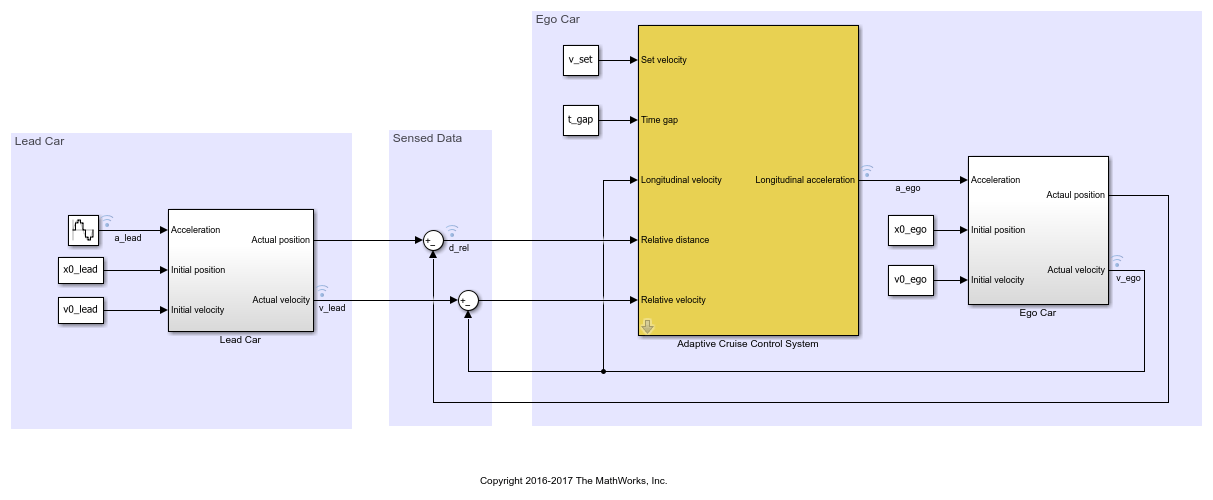
Therefore, cruise control is most beneficial at motorway/highway speeds when top gear is used virtually all the time. The examples above are the most simple applications of cruise control, more advanced types of cruise control do exist, though — one of which is most commonly called adaptive cruise control. Cars fitted with an adaptive cruise control system use a forward-looking radar sensor to detect the speed and proximity of the car ahead.
Words Starting With C and Ending

Cruise control has had a positive impact on the driving industry for 70 years and shows no signs of disappearing anytime soon. This step will vary widely based on your vehicle make and model, however, many cruise control settings are accessible from the steering wheel controls. When the car ahead slows down, so will the car fitted with adaptive cruise control.
AAA Recommends Common Naming for ADAS Technology - AAA Newsroom
AAA Recommends Common Naming for ADAS Technology.
Posted: Fri, 25 Jan 2019 08:00:00 GMT [source]
Another inventor named Harold Exline, working independently of Riley, also invented a type of cruise control that he first installed on his car and friends' cars. Cruise control (also known as speed control, cruise command, autocruise, or tempomat) is a system that automatically controls the speed of an automobile. The system is a servomechanism that takes over the car's throttle to maintain a steady speed set by the driver. Not all cars come with cruise control as a standard feature, but many newer cars do have this option available. When cruise control is activated, the driver sets a desired speed for the car to maintain. The car’s engine and transmission work together to maintain that speed without any input from the driver.
The system uses electronic sensors to track the vehicle’s speed and automatically regulate the throttle and brakes to maintain the predetermined speed. Cruise controle is generally employed during extended trips on highways, where sustaining a constant speed can decrease driver tiredness and boost fuel economy. It is a common feature in modern automobiles, trucks, and other types of vehicles. All cruise control systems must have the capability to be turned off explicitly and automatically when the driver depresses the brake pedal and often also the clutch.
Therefore, it is important for drivers to use it responsibly and not rely solely on the system to maintain a safe driving experience. Modern vehicles offer various types of cruise control systems to assist drivers in maintaining a steady speed. In some modern cars, the cruise control system is enhanced with additional sensors and algorithms that enable it to adapt to the surrounding traffic and road conditions.
Adaptive cruise control uses sensors around the vehicle’s exterior to maintain speed while keeping a safe following distance from the car ahead. The system will slow you down and speed you up as the flow of traffic fluctuates throughout your commute, removing a lot of the stress from daily driving. However, adaptive cruise control may not work well in bad weather or protect you from sudden movements, so you will want to always keep your full attention on the road.
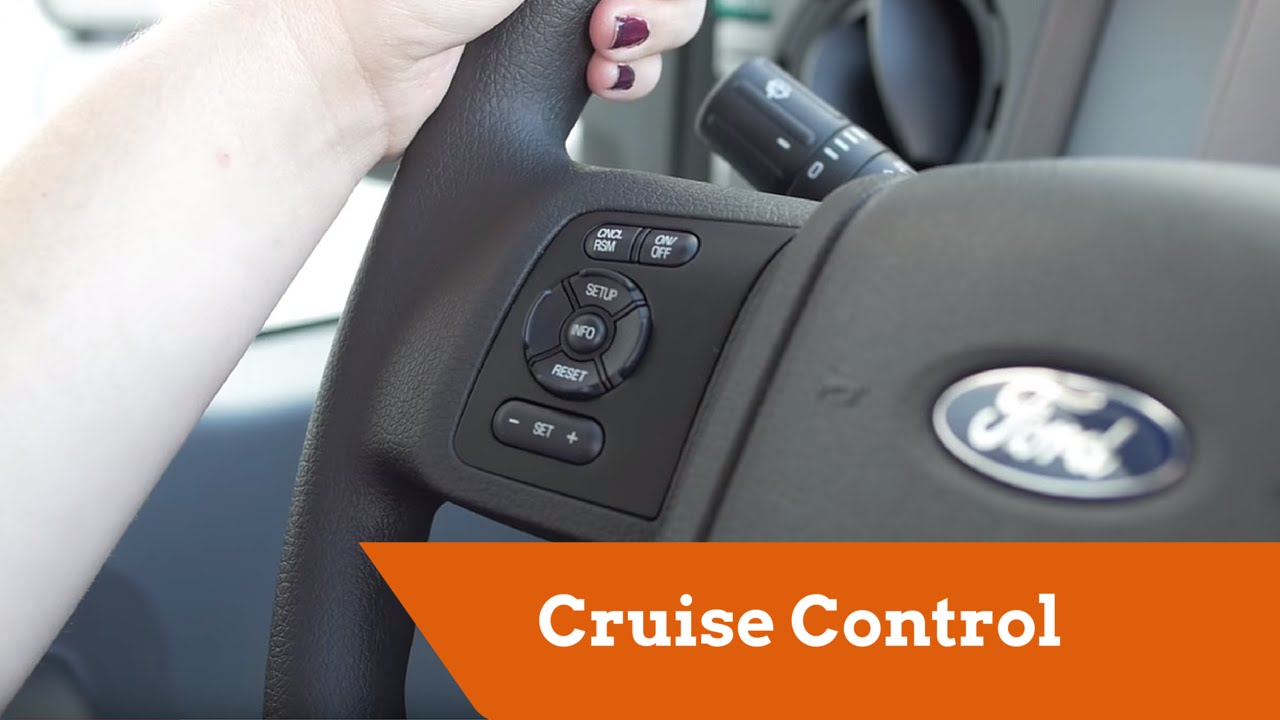
To deactivate the system, the driver must simply press the brake or clutch pedal or cancel it using a button that usually found on the steering wheel. Cruise control is a nifty setting that allows you, the driver, to set your vehicle to maintain a fixed speed. Unless you touch the accelerator or brake pedal, your car will keep on moving onward, at the exact speed you’ve chosen. Pretty handy, especially when you think about those long highway journeys that seemed fun when you planned them but are a lot less so after five hours of driving. In addition to saving your leg from horrendous cramping, it reduces cognitive fatigue and increases fuel efficiency. Driving on long stretches of highway can be tiring, especially when trying to maintain a constant speed.
By pressing the appropriate button, the driver can fine-tune the desired speed for their comfort and road conditions. Cruise control is less flexible on vehicles with a manual transmission because depressing the clutch pedal and shifting gears usually disengages the cruise control. The "resume" feature has to be used each time after selecting the new gear and releasing the clutch.
The type of cruise control fitted varies from vehicle to vehicle, so it pays to know what type of system your car has so you can understand its capabilities. There are limitations, both with adaptive cruise control and conventional cruise control. The driver must still pay attention at all times and not let their awareness drift. Weather conditions such as snow, rain or fog could also confuse the sensors and adversely affect the adaptive cruise control system.
But cruise control actuates the throttle valve by a cable connected to an actuator, instead of by pressing a pedal. The throttle valve controls the power and speed of the engine by limiting how much air the engine takes in (see How Fuel Injection Systems Work for more details). Using cruise control can improve fuel efficiency by helping drivers maintain a consistent speed and reduce unnecessary acceleration. It can also reduce driver fatigue during long drives by allowing them to rest their feet. However, drivers should remain attentive and ready to take control of the car at any moment.
The cruise control system controls the speed of the car by adjusting the throttle position, so it needs sensors to tell it the speed and throttle position. It also needs to monitor the controls so it can tell what the desired speed is and when to disengage. When used correctly, though, cruise control can help make driving safer and less fatiguing.


No comments:
Post a Comment